Mud, Marshes, and Mayhem: The Unlikely Rise of Britain's Most Electric Guitarist
The Flatlands That Made Him
There's something about Canvey Island that gets under your skin. Sitting low in the Thames Estuary, surrounded by seawalls and grey skies, it's not exactly the kind of place you'd expect to produce one of Britain's most viscerally exciting guitarists. But then again, maybe that's precisely the point. John Wilkinson — the man the world would come to know as Wilko Johnson — grew up in that strange, liminal Essex landscape in the 1950s and 60s, and something about its bleakness clearly lit a fire in him.
Wilko himself has talked at length about the estrangement he felt growing up, the sense of being slightly out of step with everything around him. He devoured books — he studied English Literature at Newcastle University, a fact that often surprises people — and he fell hard for the electric blues coming out of America. When he first heard Mick Green playing with Johnny Kidd and the Pirates, something clicked. The idea that one guitarist could simultaneously cover rhythm and lead parts, playing with a ferocious choppy attack that made the whole thing sound like two people — that became an obsession.
Dr Feelgood and the Pub Rock Revolution
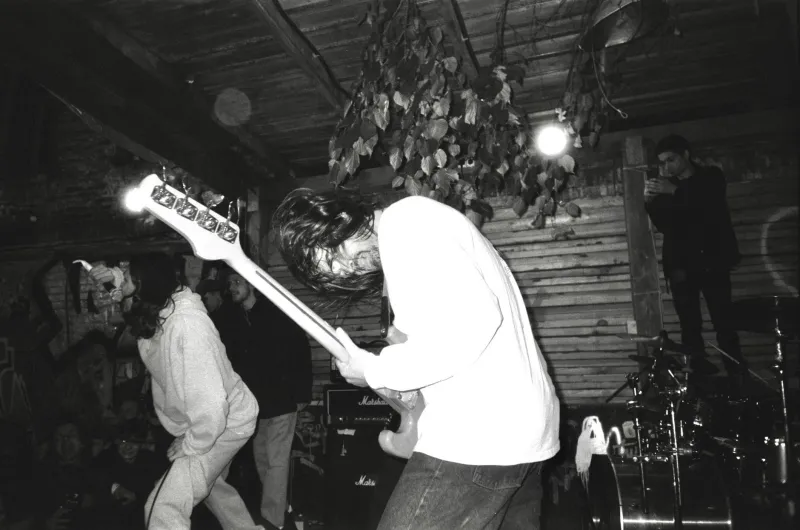
By the early 1970s, Wilko had plugged into something that would change British music in ways that still aren't fully appreciated. He co-founded Dr Feelgood with vocalist Lee Brilleaux in 1971, and the band quickly became the centrepiece of what journalists dubbed the "pub rock" scene — a loose movement of acts playing raw, stripped-back music in the pubs and clubs of London and beyond, as a direct rebuke to the increasingly bloated excess of progressive rock.
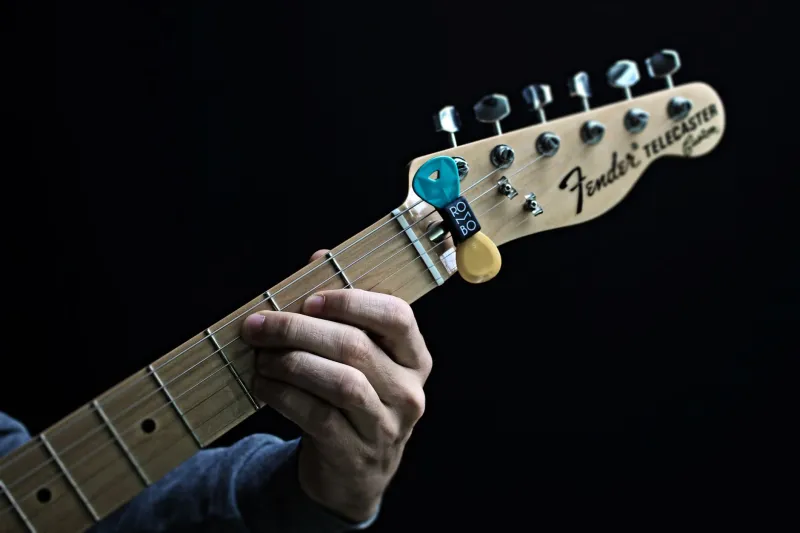
Dr Feelgood were something else entirely. Where Yes were building cathedrals of sound, Feelgood were kicking down pub doors. Their 1975 debut Down by the Jetty — recorded in mono, no less — sounded like nothing else on British radio. And at the centre of it all was Wilko, prowling the stage like a man possessed, eyes wide and staring, that Fender Telecaster held low, delivering machine-gun bursts of rhythm guitar that left audiences genuinely unsettled in the best possible way.
The band's 1976 live album Stupidity hit number one in the UK charts — a remarkable achievement for a record that sounded like it had been recorded in a sweaty back room. Critics scrambled to explain what was happening. Some got it. Many didn't.
The Punk Connection Nobody Likes to Admit
Here's the thing that gets glossed over in a lot of music history: Dr Feelgood were doing what punk would claim to have invented, at least two years before the Sex Pistols released anything. The energy, the aggression, the deliberate refusal of technical showboating — Wilko was there first.
Joe Strummer of The Clash was a known Feelgood devotee. Glen Matlock, the original Pistols bassist, has spoken about the band's influence. Even Elvis Costello, who was cutting his teeth on the pub rock circuit at the same time, has acknowledged the debt. Wilko didn't invent punk, but he absolutely helped create the conditions in which it could exist.
And yet, when punk exploded in 1976 and 1977, it was the new bands who got the magazine covers and the cultural credit. Wilko had already left Dr Feelgood by then — a painful split that he's described in interviews as one of the great regrets of his life — and was embarking on a solo career that, commercially at least, never quite recaptured those heights.
The Cult That Never Died
What followed Wilko's departure from Feelgood was a career that defied easy categorisation. He formed the Wilko Johnson Band, recorded prolifically, toured relentlessly, and built a fanbase that was modest in size but ferocious in loyalty. He became a familiar face on the UK blues and rock circuit, a fixture at festivals, a musician's musician in the truest sense.
Ask any serious British guitarist of a certain age about Wilko and you'll get the same response: a kind of reverence mixed with mild frustration that he never got the recognition he deserved. Guitarists like Graham Coxon of Blur have cited him as an influence. The late great Mark Bolan was a fan. His playing style — that distinctive two-finger attack, the complete absence of a plectrum, the way he locked rhythm and melody into a single, furious whole — is studied and imitated by guitarists who could probably name every note he ever played.
A Second Act Nobody Saw Coming
If the story had ended there, it would still be a good one. But Wilko's story has a second act that borders on the extraordinary. In 2013, he announced that he had been diagnosed with terminal pancreatic cancer and was given around ten months to live. He declined chemotherapy, announced a farewell tour, and proceeded to play some of the most electrifying concerts of his career.
And then something remarkable happened. He didn't die. A subsequent examination revealed a rare and slow-growing form of the cancer that was actually operable. He underwent surgery in 2014, and the tumour was successfully removed. Wilko Johnson, the man who had said his goodbyes, was back.
The period around his diagnosis also produced one of his finest recordings — a collaboration with The Who's Roger Daltrey titled Going Back Home, released in 2014. The album reached number three in the UK charts, his highest charting solo work, and introduced him to a whole new generation of listeners.
Why He Matters
There's a tendency in British music culture to celebrate its heroes only when they achieve a certain level of commercial success or critical consensus. Wilko Johnson slipped through those nets for most of his career, too raw for mainstream radio, too idiosyncratic for easy categorisation.
But spend an evening with Stupidity or Going Back Home or any of the dozens of live recordings that circulate among fans, and you'll understand immediately what the fuss is about. There's a physical immediacy to his playing that very few guitarists — British or otherwise — have ever matched. He doesn't noodle. He doesn't show off. He attacks the instrument with a kind of joyful fury that makes you want to stand up and do something.
From the Essex marshes to stages across the world, Wilko Johnson's journey is one of the great underappreciated stories in British rock. The mainstream might have taken its time catching up, but for those of us who've been paying attention all along, that's never been the point. Some things are better when they belong to you.